
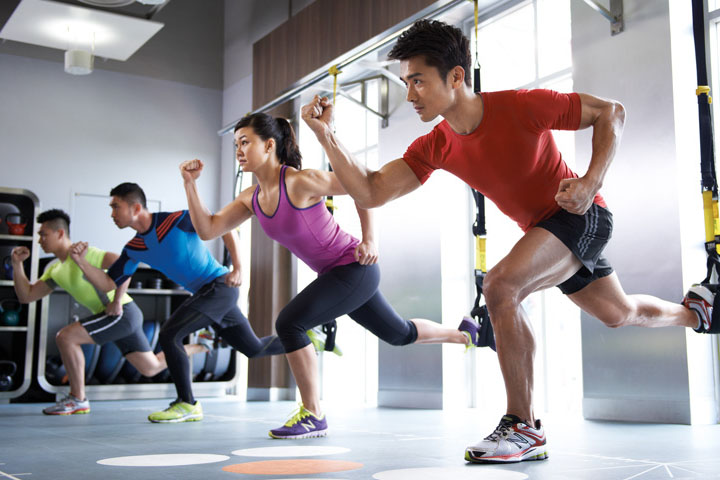
Sustainability is no longer just a buzzword. It has become a lifestyle priority for individuals, businesses, and communities in Singapore. The health and wellness industry is no exception, with gyms increasingly adopting eco-friendly practices to meet the needs of environmentally conscious members. Choosing a fitness gym singapore today often means more than looking for good equipment and classes. It also involves considering how the gym contributes to reducing carbon footprints, conserving energy, and promoting responsible living.
Why Sustainability Matters in Fitness
Gyms consume large amounts of electricity to power machines, air-conditioning systems, lighting, and digital devices. The constant use of plastic water bottles, disposable towels, and paper marketing materials adds to environmental strain. With Singapore’s strong commitment to sustainability under the Green Plan 2030, the fitness industry is embracing greener approaches that align with the nation’s eco-goals.
Eco-Friendly Gym Design and Architecture
Sustainability starts with the building itself. Many modern gyms are designed with eco-conscious architecture, making use of natural light, ventilation, and recycled construction materials.
Key design elements include:
-
Skylights and large windows to reduce reliance on artificial lighting.
-
Energy-efficient insulation to cut down cooling needs.
-
Flooring and furnishings made from recycled or sustainable materials.
-
Indoor plants for better air quality and aesthetics.
These features make gyms not only environmentally responsible but also more pleasant spaces to train in.
Energy-Efficient Equipment
Traditional gym machines consume a lot of power. Sustainable gyms are now investing in self-powered or low-energy equipment that reduces electricity consumption.
Examples include:
-
Treadmills and bikes that generate electricity while being used.
-
Resistance machines with magnetic resistance systems instead of motors.
-
Rowing machines powered by user effort rather than plugs.
This approach turns exercise into a cycle where members generate energy instead of wasting it.
Renewable Energy Adoption
Some gyms are going beyond efficiency to actually produce clean energy. Rooftop solar panels and renewable energy partnerships are becoming part of the sustainability drive. By tapping into solar power, gyms reduce their reliance on non-renewable sources and help lower Singapore’s carbon emissions.
Waste Reduction Initiatives
Waste is another big issue in the fitness industry. Disposable bottles, single-use plastic packaging, and paper materials contribute significantly to pollution. Sustainable gyms address this problem by:
-
Providing water refill stations to reduce bottled water consumption.
-
Encouraging members to bring reusable bottles and towels.
-
Switching to digital sign-ups and mobile apps instead of paper forms.
-
Recycling bins placed strategically within the gym.
These changes may appear small, but they create meaningful impact when adopted collectively.
Sustainable Nutrition and Cafés
Many gyms now include cafés or snack bars offering post-workout meals. Sustainable gyms ensure these outlets follow eco-friendly practices too.
This may involve:
-
Sourcing local and organic ingredients.
-
Offering plant-based meal options.
-
Reducing packaging waste with reusable or biodegradable containers.
-
Minimising food waste through portion control and composting.
Nutrition and sustainability are linked, as healthier food choices often benefit both the body and the planet.
Water Conservation Measures
Gyms typically use large amounts of water for showers, pools, and cleaning. Eco-conscious gyms implement systems to reduce water consumption.
Examples include:
-
Installing low-flow shower heads.
-
Recycling greywater for cleaning purposes.
-
Using eco-friendly detergents that require less water for rinsing.
Such steps contribute to responsible resource management in line with Singapore’s water sustainability goals.
Encouraging Green Transport Choices
Sustainable gyms extend their eco-initiatives beyond the building by promoting environmentally friendly commuting options. Many provide bicycle racks, showers for cyclists, or incentives for members who choose public transport instead of driving.
Community Education and Green Awareness
Sustainability in fitness is not only about facilities but also about culture. Many gyms in Singapore conduct awareness campaigns and workshops to encourage members to adopt eco-friendly habits in their daily lives. This extends the positive impact from the gym to homes and workplaces.
The Role of Technology in Sustainable Gyms
Technology also plays a role in green initiatives. Gym apps reduce paper usage, smart lighting systems save electricity, and digital workout screens cut down on printed training materials. Technology is helping gyms operate more efficiently while keeping environmental impact low.
Why Members Prefer Sustainable Gyms
For many Singaporeans, choosing a sustainable gym is about aligning personal values with lifestyle. Members feel good knowing their workouts contribute to a healthier planet. Sustainable gyms also provide unique motivators, such as the idea of generating energy while training.
True Fitness Singapore and Green Practices
True Fitness Singapore is an example of how leading gyms integrate sustainability into their core values. Through energy-conscious design, eco-friendly amenities, and modern training solutions, it helps members achieve fitness goals while supporting environmental responsibility.
The Future of Green Fitness in Singapore
The push towards eco-conscious living will only intensify as Singapore progresses with its sustainability agenda. Gyms will continue to evolve, integrating renewable energy, water-saving technologies, and zero-waste concepts. For members, this means fitness facilities that not only improve their health but also safeguard the planet for future generations.
FAQs
Q. How does a sustainable gym differ from a regular gym?
A. A sustainable gym focuses on reducing environmental impact by using energy-efficient equipment, water-saving systems, eco-friendly materials, and waste reduction practices, while still providing the same quality of training facilities.
Q. Are eco-friendly gyms more expensive?
A. Not necessarily. While initial investments in sustainable infrastructure may be higher, the savings from reduced energy and water bills often balance costs. Members may even find fees comparable to traditional gyms.
Q. Can my workouts really generate electricity in a gym?
A. Yes, some sustainable gyms install machines such as treadmills and bikes that capture the energy produced during exercise and convert it into electricity for the facility.
Q. Do sustainable gyms compromise on equipment variety?
A. No, eco-friendly gyms still provide full ranges of machines and classes. The difference lies in how the equipment and operations are powered and managed.
Q. How can I personally support sustainability when using a gym?
A. Bring a reusable bottle, limit towel use, recycle waste, and choose eco-friendly transport like cycling or public transit. Small steps contribute to larger environmental impact.
 Fitness Pal Health