
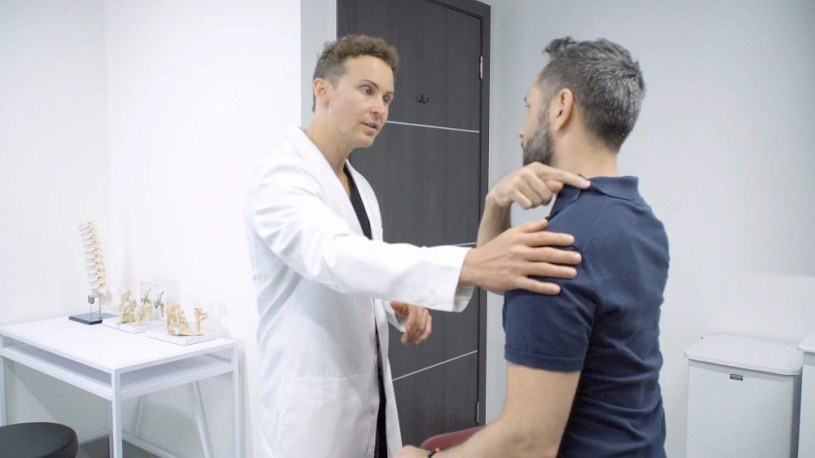
Introduction: A New Era of Understanding and Managing Illness
In the contemporary world, the scope of medical science extends far beyond merely curing diseases. It embraces a holistic approach to understanding, diagnosing, and treating a wide range of medical conditions, from common ailments to complex disorders. As lifestyles evolve and scientific discoveries advance, so too do our methods of treatment. Today, medicine is not just about addressing symptoms; it is about preventive care, precision treatment, and a deeper understanding of the human body and mind. This article delves into the spectrum of medical conditions and the treatments shaping modern healthcare, blending insight, innovation, and compassion.
Classification of Medical Conditions: Understanding the Basics
Medical conditions can be grouped based on their origin, nature, or impact on bodily systems. Identifying these categories is essential for targeted treatment and effective patient care.
1. Chronic Conditions
Chronic illnesses are long-term and often progressive, requiring continuous medical attention.
-
Cardiovascular Diseases: These include hypertension, coronary artery disease, and heart failure. Often linked to lifestyle and genetics, they are among the leading causes of mortality worldwide.
-
Diabetes Mellitus: A metabolic disorder that impairs the body’s ability to regulate blood sugar levels, with complications that can affect the eyes, kidneys, nerves, and heart.
-
Arthritis: A group of conditions characterized by joint inflammation, the most common being osteoarthritis and rheumatoid arthritis.
2. Acute Illnesses and Infections
These conditions develop suddenly and usually resolve within a short period with appropriate treatment.
-
Influenza and COVID-19: Viral respiratory infections that can range from mild to severe, with potential for widespread outbreaks.
-
Gastroenteritis: Often caused by viral or bacterial infection, leading to dehydration and gastrointestinal distress.
-
Appendicitis: A sudden inflammation of the appendix, often requiring emergency surgery.
3. Genetic and Congenital Disorders
These are conditions present at birth or inherited genetically.
-
Cystic Fibrosis: A life-shortening genetic disease affecting the lungs and digestive system.
-
Down Syndrome: Caused by a chromosomal abnormality, leading to developmental and intellectual delays.
-
Thalassemia: A blood disorder causing reduced hemoglobin production, often requiring lifelong transfusions.
4. Neurological and Mental Health Disorders
Mental and neurological health are critical to overall well-being, yet often misunderstood or stigmatized.
-
Alzheimer’s Disease: A degenerative brain disorder marked by memory loss and cognitive decline.
-
Depression and Anxiety: Common mood disorders that affect emotional balance, thought processes, and daily functioning.
-
Parkinson’s Disease: A progressive neurological condition affecting movement and motor control.
5. Autoimmune and Inflammatory Diseases
These disorders involve the immune system mistakenly attacking the body’s own tissues.
-
Lupus: A systemic condition causing inflammation in various body parts, including skin, joints, and organs.
-
Multiple Sclerosis (MS): A disease where the immune system damages the protective covering of nerves.
-
Psoriasis: A chronic skin condition often linked with systemic inflammation.
Treatment Modalities: From Conventional to Cutting-Edge
Treatment plans today are tailored to individual needs, combining traditional practices with innovative approaches.
Pharmacological Therapies
Medications remain foundational in managing most medical conditions.
-
Antibiotics and Antivirals: Used to combat bacterial and viral infections respectively.
-
Anti-inflammatory Drugs: Vital in managing pain, arthritis, and autoimmune conditions.
-
Antidepressants and Anxiolytics: Commonly prescribed for mental health management.
-
Biologic Agents: Targeted therapies used in autoimmune and cancer treatments.
Surgical and Interventional Procedures
Surgical treatments are essential for conditions that cannot be managed medically alone.
-
Cardiac Surgery: Including bypass procedures and valve replacements to restore heart function.
-
Orthopedic Surgery: Joint replacements and spinal procedures offer mobility and pain relief.
-
Minimally Invasive Techniques: Laparoscopy and robotic surgery reduce hospital stays and promote quicker recovery.
Lifestyle and Behavioral Interventions
Many conditions respond well to non-pharmacologic, lifestyle-based strategies.
-
Diet and Nutrition Management: Especially crucial in diabetes, hypertension, and obesity.
-
Exercise Therapy: Recommended for cardiovascular health, arthritis, and mental wellness.
-
Cognitive Behavioral Therapy (CBT): A cornerstone in managing anxiety, depression, and PTSD.
-
Smoking Cessation and Substance Abuse Programs: Improve outcomes in respiratory and liver-related conditions.
Advanced and Emerging Treatments
Modern medicine is on the cusp of revolutionary changes.
-
Gene Therapy: Offers hope for correcting genetic disorders at the molecular level.
-
Immunotherapy: Especially significant in cancer treatment, enhancing the body’s natural defenses.
-
Stem Cell Research: Promising results in regenerative medicine, particularly in neurology and orthopedics.
-
Telemedicine and Digital Health: Improving access to care, especially in remote and underserved areas.
Prevention: The First Line of Defense
An ounce of prevention is worth a pound of cure. Preventive strategies form the backbone of sustainable healthcare.
-
Vaccinations: Prevent the spread of infectious diseases and protect vulnerable populations.
-
Screening Programs: Early detection of cancers, cardiovascular issues, and metabolic diseases can save lives.
-
Health Education and Awareness: Empower individuals to make informed choices and reduce disease risk.
-
Regular Health Check-ups: Enable early diagnosis and timely intervention.
Conclusion: The Future of Health Is Personalized and Proactive
In an age where information is abundant and science is rapidly advancing, understanding medical conditions and their treatments is more accessible than ever. However, with this accessibility comes the responsibility of discerning credible information and collaborating closely with healthcare providers. The future of medicine lies in personalization—treatments tailored to genetic makeup, lifestyle, and personal values. It also lies in prevention, early detection, and holistic wellness. Ultimately, the most effective healthcare combines empathy, evidence, and education, guiding us not only toward recovery but toward a richer, healthier life.
 Fitness Pal Health